Home / Blog / How can I demonstrate that employees have the knowledge and skills required for their role?
How can I demonstrate that employees have the knowledge and skills required for their role?
To demonstrate that employees have the knowledge and skills required for their role, organisations need to be clear about what employees should know and be able to do, provide opportunities for them to show this, and collect reliable evidence of their competence.
So, how can you put this into practice?
Posted 10 May 2024

1) What knowledge and skills do employees need for their role?
Before you can demonstrate someone is competent, you need to establish what competence looks like for their particular role. To do this, think about the knowledge, skills and behaviour each of your team members needs to do their job well. What tasks should they be able to carry out? Are there any particular standards they need to meet, or procedures they must follow? It’s okay if these differ between employees, as not every role will need the same knowledge and skills.
2) How can employees demonstrate their knowledge and skills?
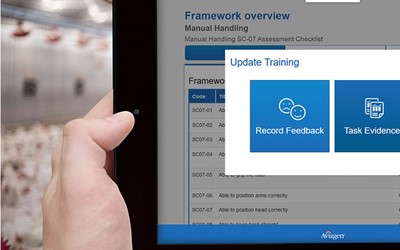
There are different ways employees can demonstrate what they know and what they’re able to do. For example, online assessments can help demonstrate someone’s knowledge and understanding, while observational assessments or simulations can provide evidence of their ability to apply that knowledge.
In some cases, you may need a combination of approaches to get a more complete picture. After all, someone might pass a knowledge test but still struggle to apply what they’ve learned in a real workplace situation.
3) How can you be confident in the quality of your evidence?
If an employee passes an assessment, what does that actually tell you? Does it show they have the knowledge and skills needed for their role? And can you trust the result?
To help answer these questions, think about whether your evidence is:
- Relevant: Does it show the knowledge or skills you’re looking for?
- Reliable: Would you get consistent results under similar conditions?
- Sufficient: Do you have enough evidence to make a confident decision?
- Current: Does it reflect what the employee can do now?
It’s also important that employees have a fair and accessible opportunity to show what they can do. This matters because the results can help you decide whether someone is ready to work independently, take on more responsibility or carry out certain tasks.
4) How can you maintain confidence in employee competence over time?
And demonstrating competence shouldn’t necessarily be treated as a one-off activity. Roles change, procedures are updated and employees may need to develop new knowledge or skills as their responsibilities evolve.
So consider how you’ll maintain an accurate picture of employee competence over time. For example, how will you identify when assessments need to be repeated, when qualifications or certifications are due to expire, or when employees need additional training?
And think about how you’ll record and manage the evidence you’ve collected. Having accessible records of learning, assessment results and demonstrated competence can help you identify gaps, support development and provide evidence when it’s needed. And it’s important to build in regular reviews to make sure your records remain accurate and up to date.
Building confidence in employee competence
So if you find yourself asking the question, “How can I demonstrate that employees have the knowledge and skills required for their role?”, think about the decisions you need to make and what would give you confidence in doing so. That will help you focus on what really matters for your organisation.
If you’d like to find out how eCom Learning Solutions can help you develop and assess employee competence, please do get in touch - we’d be happy to have a conversation.
Recent Posts
Accessible learning: why meeting the standard is only the starting pointBuilding Trust in AI Through Transparency and Control
When it comes to secure assessment “ One size doesn’t fit all”
Why long-term digital learning partnerships matter more than ever
Why workforce transformation is never just about the tech